Spring 2004
O'Shaughnessy's
Journal of the California Cannabis Research Medical
Group
|
Which Conditions are Treatable
With Cannabis
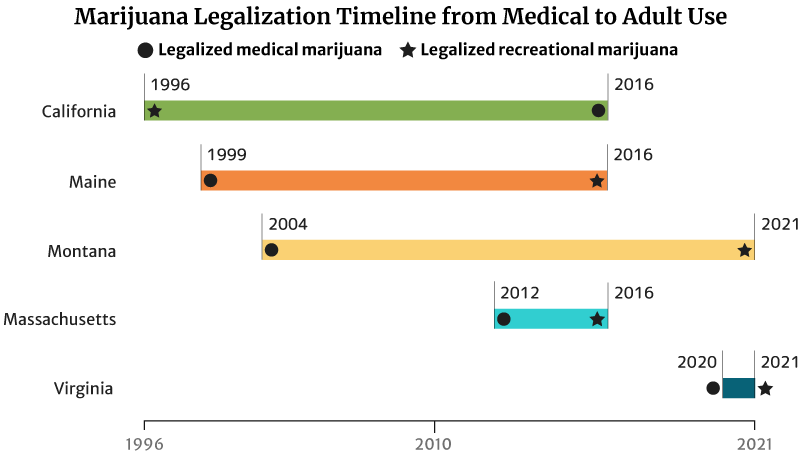
The historic medical marijuana initiative passed by California
voters in 1996 authorizes physicians to approve the use of cannabis “in
the treatment of cancer, anorexia, AIDS, chronic pain, spasticity,
glaucoma, arthritis, migraine, or any other illness for which marijuana
provides relief.”
Californians’s implicit understanding that cannabis is a remarkably versatile
medicine has been confirmed in recent years by researchers throughout the world.
GW Pharmaceuticals, the British company that is developing cannabis-plant extracts
to be marketed by Bayer, identifies the following conditions as likely targets
for its products. 
AIDS Wasting Syndrome
AIDS (Acquired Immune Deficiency Syndrome) wasting syndrome was a very frequent
complication of HIV infection prior to the advent of protease-inhibitor drugs
(1), and has been associated with major weight loss and cachexia, serving to
further debilitate its victims, already weakened by immune system failure and
opportunistic infections. Cannabis has been a frequently employed alternative
medicine for the condition, particularly in the USA (2), because of its reported
benefits on appetite and amelioration of other AIDS symptoms. In the rest of
the world, where such medications are seldom affordable, AIDS wasting remains
a common problem to the extent that it is known in Africa as ‘slim disease’ (3).
In a randomized trial (4) in AIDS patients, THC significantly improved appetite
and nausea in comparison with placebo. There were also trends towards improved
mood and weight gain. Unwanted effects were generally mild or moderate in intensity.
The possible benefit of cannabis in AIDS made it one of the lead indications
for such treatment in the judgment of the American Institute of Medicine in their
study (5).
A safety study was carried out in HIV positive patients to assess whether oral
THC or smoked cannabis would produce immunological damage in patients on protease-inhibitor
medication (6). No problems were noted with HIV viral loads or CD4 cell counts.
The study was subsequently published in expanded form (7), and some weight gain
was also observed in THC and cannabis-treated subjects as compared to controls.
It is likely that cannabis-based medicine extracts will have some considerable
contribution to offer in future clinical trials in HIV/AIDS.
References
1. Bayer R. Medicinal uses of marijuana [letter; comment]. Ann Intern Med 1997;127(12):1134;
discussion 1135.
2. Sidney S. Marijuana use in HIV-positive and AIDS patients: Results of a
an anonymous mail survey. Journal of Cannabis Therapeutics 2001;1(3-4):35-43r.
3. Russo EB. Cannabis therapeutics in HIV/AIDS. Binghamton, NY: Haworth Press;
2001.
4. Beal JE, Olson R, Laubenstein L, Morales JO, Bellman P, Yangco B, Lefkowitz
L, Plasse T, Shepard KV (1995). Dronabinol as a treatment for anorexia associated
with weight loss in patients with AIDS. Journal of Pain & Symptom Management,
10, 89-97
5. Joy JE, Watson SJ, Benson JA, Jr. Marijuana and medicine: Assessing the
science base. Washington, DC: Institute of Medicine; 1999.
6. Bredt BM, Higuera-Alhino D, Shade SB, Hebert SJ, McCune JM, Abrams DI. Short-term
effects of cannabinoids on immune phenotype and function in HIV-1-infected
patients. J Clin Pharmacol 2002;42(11 Suppl):82S-89S.
7. Abrams DI, Hilton JF, Leiser RJ, Shade SB, Elbeik TA, Aweeka FT, et al.
Short-term effects of cannabinoids in patients with HIV-1 infection. A randomized,
placebo-controlled clinical trial. Ann Intern Med 2003;139:258-266.
Arthritis
Arthritis refers to a large group of disorders that affect joints and soft
tissues to produce chronic pain. The two most common forms are osteoarthritis
(OA), a disease of aging and wear and tear) and rheumatoid arthritis (RA),
a common autoimmune disorder producing joint pain, swelling and deformity.
Cannabis may represent a new treatment option in both categories.
Cannabis has been employed to treat musculoskeletal pain for at least 4000
years, dating to the Ancient Assyrians (1). Marcandier’s 1758 work, Traité du
Chanvre (2) is of particular interest because European cannabis of that time
was fibre hemp that would be devoid of THC, but rich in cannabidiol (CBD).
The role of CBD as an anti-inflammatory and immunomo-dulatory
agent has been of great interest.
Very recently, the role of CBD as an anti-inflammatory and immunomo-dulatory
agent potentially useful in treating autoimmune conditions has been of great
interest. Malfait et al. (3) explored its effect in a mouse model of rheumatoid
arthritis, and discovered that it arrested progression of the disease and protected
joints against severe damage. CBD also blocked the release of tissue necrosis
factor-alpha (TNF-a), a key target in modern approaches to RA treatment. These
effects alongside anti-inflammatory and analgesic benefits of CBD and THC may
represent a novel approach to this difficult clinical problem.
Clinical studies of GW’s cannabis based medicine extracts containing THC and
CBD are currently in Phase II trials in RA patients.
References
1. Russo EB. Role of cannabis and cannabinoids in pain management. In: Weiner
RS, editor. Pain management: A practical guide for clinicians. 6th ed. Boca
Raton, FL: CRC Press; 2002. p. 357-375. http://www.montananorml.org/docs/Russo-AAPM_chapter.pdf
2. Marcandier M. Treatise on hemp. London: T. Becket and P.A. de Hondt; 1764.
3. Malfait AM, Gallily R, Sumariwalla PF, Malik AS, Andreakos E, Mechoulam
R, et al. The nonpsychoactive cannabis constituent cannabidiol is an oral anti-arthritic
therapeutic in murine collagen-induced arthritis. Proc Natl Acad Sci U S A
2000;97(17):9561-6.
Asthma
The use of cannabis in asthma dates to the traditional
medicine of India (1), but was also rediscovered in Western medicine
in the 19th century (2, 3).
Although it may seem counter-intuitive, cannabis cigarettes such as those marketed
by Grimault & Cie to treat asthma were popularly utilized for their bronchodilatory
effects. Studies in the 1970s confirmed this benefit of cannabis (4), and in
one study (5), inhaled THC produced an increase in FEV1 (forced expiratory
volume in 1 second) after one hour that was equal to that of salbutamol. It
has now been demonstrated that endocannabinoids regulate broncho-dilation and
constriction (reviewed (6)).
Problems remain with the concept, however. Almost no modern authorities feel
that asthmatics should smoke cannabis for asthma (7), although it seems that
even chronic usage may not lead to emphysematous degeneration (8). Use of THC
inhalation in isolation, however, has been proved to induce cough and lung
irritation even without concomitant smoke.
Modern research has turned to alternative delivery systems. One, that of cannabis
vaporization, may be applicable (9-11), but to date, potential carcinogens
in tobacco smoke have not been totally eliminated. The development of whole
cannabis extract inhalers, as currently being researched by GW Pharmaceuticals
(12-14) may offer advantages. Certainly, there is rationale behind inclusion
of cannabis terpenoids, that have additional anti-inflammatory properties in
their own right (15), especially pinene, that also demonstrates a bronchodilatory
benefit (16). Further research is clearly required.
References
1. Nadkarni KM. Indian materia medica. 3rd ed. Bombay: Popular Prakashan; 1976.
2. McMeens RR. Report of the Ohio State Medical Committee on Cannabis indica
. White Sulphur Springs, OH: Ohio State Medical Society; 1860 June12-14, 1860.
3. Mattison JB. Cannabis indica as an anodyne and hypnotic. St. Louis Medical
and Surgical Journal 1891;61:265-271.
4. Tashkin DP, Shapiro BJ, Lee YE, Harper CE. Effects of smoked marijuana in
experimentally induced asthma. Am Rev Respir Dis 1975;112(3):377-86.
5. Williams SJ, Hartley JP, Graham JD. Bronchodilator effect of delta1-tetrahydrocannabinol
administered by aerosol of asthmatic patients. Thorax 1976;31(6):720-3.
6. Pertwee RG, Ross RA. Cannabinoid receptors and their ligands. Prostaglandins
Leukot Essent Fatty Acids 2002;66(2-3):101-21.
7. Tashkin DP. Respiratory risks from marijuana smoking. In: Grotenhermen F,
Russo E, editors. Cannabis and cannabinoids: Pharmacology, toxicology and therapeutic
potential. Binghamton, NY: Haworth Press; 2001.
8. Tashkin DP, Simmons MS, Sherrill DL, Coulson AH. Heavy habitual marijuana
smoking does not cause an accelerated decline in FEV1 with age. Am J Respir
Crit Care Med 1997;155(1):141-8.
9. Gieringer D. Why marijuana smoke harm reduction? Bulletin of the Multidisciplinary
Association for Psychedelic Studies 1996;6(64-66).
10. Gieringer DH. Cannabis “vaporization”: A promising strategy for smoke harm
reduction. Journal of Cannabis Therapeutics 2001;1(3-4):(in press).
11. Gieringer D, St. Laurent J, Goodrich S. Cannabis vaporizer combines efficient
delivery of THC with effective suppression Of pyrolytic compounds. Journal
of Cannabis Therapeutics 2004;4(1):In Press.
12. Whittle BA, Guy GW, Robson P. Prospects for new cannabis-based prescription
medicines. Journal of Cannabis Therapeutics 2001;1(3-4):183-205.
13. Whittle BA, Guy GW. Development of cannabis-based medicines; risk, benefit
and serendipity. In: Whittle BA, Guy GW, Robson P, editors. Medicinal uses
of cannabis and cannabinoids. London: Pharmaceutical Press; 2003.
14. Whittle BA, Guy GW, Robson P. Cannabis and cannabinoids as medicines. London:
Pharmaceutical Press; 2003.
15. McPartland JM, Russo EB. Cannabis and cannabis extracts: Greater than the
sum of their parts? Journal of Cannabis Therapeutics 2001;1(3-4):103-132.
www.montananorml.org/docs/McPartland-Russo-JCANT-1-3-4-2001.pdf
16. Falk AA, Hagberg MT, Lof AE, Wigaeus-Hjelm EM, Wang ZP. Uptake, distribution
and elimination of alpha-pinene in man after exposure by inhalation. Scand
J Work Environ Health 1990;16(5):372-8.
Crohn’s Disease/
InflammatoryBowel Disease
Crohn’s disease and ulcerative colitis are chronic, inflammatory conditions
of the gastrointestinal tract of autoimmune origin. While ulcerative colitis
preferentially affects the colon and lower small intestine, Crohn’s disease
may affect any portion of the GI tract. Both are associated with tissue ulceration,
bleeding, cramping, diarrhoea, weight loss, and the possibility of bowel obstruction
with a resulting need for surgery. (1) A recent epidemiological study (2) has
examined the burden of gastrointestinal diseases in UK patients and found that
both diseases are becoming more common. Prevalence of ulcerative colitis by
age 30 for people born in 1970 is 30/10,000. The prevalence of Crohn’s disease
by age 30 was 38/10,000. Both Crohn’s and ulcerative colitis are associated
with considerable psychiatric co-morbidity including depression, anxiety, somatisation,
and decreased quality of life measures (3).
The long historical usage of cannabis for gastrointestinal complaints has been
reviewed (4). Numerous studies in the 1970s indicated that THC slowed intestinal
passage of a charcoal meal in rodents. Cannabidiol (CBD) had little effect
of its own, but synergized the effects of THC (5). The most topical review
of cannabinoid effects on the gastrointestinal tract is that of Pertwee (6).
To summarise the major points:
1) The enteric nervous systems of mammals express CB1 and stimulation depresses
gastrointestinal motility, especially through inhibition of contractile neurotransmitter
release.
2) Observed effects include delayed gastric emptying, some decrease in peptic
acid production, and slowed enteric motility, inhibition of stimulated acetylcholine
release, peristalsis, and non-adrenergic non-cholinergic (NANC) contractions
of smooth muscle, whether circular or longitudinal.
3) These effects are mediated at the brain level as well as in the GI tract
4) These effects are opposed by CB1 antagonists (e.g., SR141716A).
Holdcroft et al. were able to demonstrate an analgesic (pain reducing) benefit
(p<0.001) of THC 50 mg per day in 5 split doses in a patient with relapsing
familial Mediterranean fever in a double-blind placebo-controlled trial (7).
Normally, this form of pain is extremely difficult to control with narcotics
or other analgesics. Additionally, anandamide and other cannabinoid agonists
inhibit rat serotonin type 3 (5-HT3) receptors (8) that mediate vomiting and
pain responses.
The most compelling new data recently has been that of Karen Wright (9). Her
group compared immunohistological expression of CB1 and CB2 in normal colonic
tissue samples to those from inflammatory bowel disease patients. In normals,
CB1 was expressed in the colonic epithelium, smooth muscle and submucosal myenteric
plexus. CB2 was expressed on plasma cells and macrophages of the lamina propria.
Striking immunofluorescence was demonstrable in the disease state.
Cannabis extracts may be well suited to treatment of inflammatory diseases
due to their multiple mechanisms of action. THC seemingly alleviates pain,
spasm and diarrhoea, while the CBD component presents the likelihood of immunomodulatory
benefits. One recently demonstrated CBD effect is its ability to inhibit TNF-a
(tissue necrosis factor-alpha)(10), a proven mechanism of other agents employed
to treat inflammatory bowel
References
1. Knutson D, Greenberg G, Cronau H. Management of Crohn’s disease—a practical
approach. Am Fam Physician 2003;68(4):707-14.
2. Ehlin AG, Montgomery SM, Ekbom A, Pounder RE, Wakefield AJ. Prevalence of
gastrointestinal diseases in two British national birth cohorts. Gut 2003;52(8):1117-21.
3. Guthrie E, Jackson J, Shaffer J, Thompson D, Tomenson B, Creed F. Psychological
disorder and severity of inflammatory bowel disease predict health-related
quality of life in ulcerative colitis and Crohn’s disease. Am J Gastroenterol
2002;97(8):1994-9.
4. Russo EB. Role of cannabis and cannabinoids in pain management. In: Weiner
RS, editor. Pain management: A practical guide for clinicians. 6th ed. Boca
Raton, FL: CRC Press; 2002. p. 357-375. http://www.montananorml.org/docs/Russo-AAPM_chapter.pdf
5. Anderson PF, Jackson DM, Chesher GB. Interaction of delta-9-tetrahydrocannabinol
and cannabidiol on intestinal motility in mice. J Pharm Pharmacol 1974;26(2):136-7.
6. Pertwee RG. Cannabinoids and the gastrointestinal tract. Gut 2001;48(6):859-67.
7. Holdcroft A, Smith M, Jacklin A, Hodgson H, Smith B, Newton M, et al. Pain
relief with oral cannabinoids in familial Mediterranean fever. Anaesthesia
1997;52(5):483-6.
8. Fan P. Cannabinoid agonists inhibit the activation of 5-HT3 receptors in
rat nodose ganglion. Journal of Neurophysiology 1995;73:907-910.
9. Wright K, Rooney N, Tate J, Feeney M, Robertson D, Welham M, et al. Functional
cannabinoid receptor expression in human colonic epithelium. In: 2003 Symposium
on the Cannabinoids; 2003; Cornwall, ON, Canada: International Cannabinoid
Research Society; 2003. p. 25.
10. Malfait AM, Gallily R, Sumariwalla PF, Malik AS, Andreakos E, Mechoulam
R, et al. The nonpsychoactive cannabis constituent cannabidiol is an oral anti-arthritic
therapeutic in murine collagen-induced arthritis. Proc Natl Acad Sci U S A
2000;97(17):9561-6.
Depression/Mental Illness
The use of cannabis by people with mental illness has historically been associated
with claims of both benefits and harms (1, 2). In its recent review, the
Institute of Medicine (3) observed (p. 106), ‘people with schizophrenia or
with a family history of schizophrenia are likely to be at greater risk for
adverse psychiatric effects from the use of cannabinoids,’ and ‘there is
little evidence that marijuana alone produces a psychosis that persists after
the period of intoxication.’
In modern times, the suggestion that recreational cannabis use may be a risk
factor for schizophrenia was first raised by Andreasson and collegeagues (4).
Many of the other studies exploring this apparent association consist of retrospective
analyses often relying on unreliable measures such as self-report, and are
unable to distinguish association from causation. (5)(6)(7)(8).
A recent retrospective and prospective examination of 232 newly diagnosed schizophrenic
patients demonstrated no temporal correlation between substance abuse onset
and that of psychosis (6). A recent review (7) concluded that cannabis may
precipitate psychosis in vulnerable patients, increase relapse rates or produce
dependency in those already affected. Similarly, in Italy (8), data supported
a duality of experience such that some schizophrenics employ cannabis as self-treatment
while in others it might be one factor predisposing to the disorder.
It is noteworthy that endocan-nabinoid levels are elevated in the brains of
schizophrenics (9), although the practical significance of this finding is
not yet clear.
The cannabis component cannabidiol may possess anti-psychotic
activity
The cannabis component cannabidiol may possess anti-psychotic activity (10),
and a single case report was consistent with this (11).
Benefits were noted in depression measures in cancer patients treated with
THC (12), and this has been supported by anecdotal reports (13). Both cannabidiol
and nabilone (THC analogue) have demonstrated apparent benefit in clinical
and experimental anxiety (10, 14, 15, 16).
Anecdotal reports suggest that cannabis may alleviate symptoms of bipolar disease
(17).
The recent discovery that endocan-nabinoids regulate extinction of aversive
memories (18) has led some to suggest the use of phytocannabinoids in treatment
of post-traumatic stress disorder (PTSD).
References
1. Russo EB. Handbook of psychotropic herbs: A scientific analysis of herbal
remedies for psychiatric conditions. Binghamton, NY: Haworth Press; 2001.
2. Grinspoon L, Bakalar JB. Marihuana, the forbidden medicine. Rev. and exp.
ed. New Haven: Yale University Press; 1997.
3. Joy JE, Watson SJ, Benson JA, Jr. Marijuana and medicine: Assessing the
science base. Washington, DC: Institute of Medicine; 1999.
4. Andreasson S, Allebeck P, Engstrom A, Rydberg U (1987). Cannabis and schizophrenia:
a longitudinal study of Swedish conscripts. Lancet, ii, 1483 -86
5. Johns A. Psychiatric effects of cannabis. Br J Psychiatry 2001;178:116-22.
6. Buhler B, Hambrecht M, Loffler W, an der Heiden W, Hafner H. Precipitation
and determination of the onset and course of schizophrenia by substance abuse—a
retrospective and prospective study of 232 population-based first illness episodes.
Schizophr Res 2002;54(3):243-51.
7. Degenhardt L, Hall W. Cannabis and psychosis. Curr Psychiatry Rep 2002;
4(3):191-6.
8. Bersani G, Orlandi V, Kotzalidis GD, Pancheri P. Cannabis and schizophrenia:
impact on onset, course, psychopathology and outcomes. Eur Arch Psychiatry
Clin Neurosci 2002;252(2):86-92.
9. Leweke FM, Giuffrida A, Wurster U, Emrich HM, Piomelli D. Elevated endogenous
cannabinoids in schizophrenia. Neuroreport 1999;10(8):1665-9.
10. Zuardi AW, Guimaraes FS. Cannabidiol as an anxiolytic and antipsychotic.
In: Mathre ML, editor. Cannabis in medical practice: a legal, historical and
pharmacological overview of the therapeutic use of marijuana. Jefferson, NC:
McFarland; 1997. p. 133-141.
11. Zuardi AW, Morais SL, Guimaraes FS, Mechoulam R. Antipsychotic effect of
cannabidiol. J Clin Psychiatry 1995; 56(10):485-6.
12. Regelson W, Butler JR, Schulz J, Kirk T, Peek L, Green ML, et al. Delta
9-Tetrahydrocannabinol as an effective antidepressant and appetite- stimulating
agent in advanced cancer patients. In: In: Braude MC, Szara S, ed. Pharmacology
of marihuana. Vol 2. New York, Raven Press,; 1976. p. 763-776.
13. Russo EB, Mathre ML, Byrne A, Velin R, Bach PJ, Sanchez-Ramos J, et al.
Chronic cannabis use in the Compassionate Investigational New Drug Program:
An examination of benefits and adverse effects of legal clinical cannabis.
Journal of Cannabis Therapeutics 2002;2(1):3-57.
14. Zuardi AW, Cosme RA, Graeff FG, Guimaraes FS. Effects of ipsapirone and
cannabidiol on human experimental anxiety. Journal of Psychopharmacology 1993;
7(1):82-88.
15. Fabre LF, McLendon D (1981). The efficacy and safety of nabilone (a synthetic
cannabinoid) in the treatment of anxiety. J Clin Pharm, 21, 377S-382S
16. Ilaria RL, Thornby JI, Fann WE (1981). Nabilone, a cannabinol derivative,
in the treatment of anxiety neurosis. Current Therapeutic Research, 29, 943-917.
Grinspoon L, Bakalar JB. The use of cannabis as a mood stabilizer in bipolar
disorder: anecdotal evidence and the need for clinical research. J Psychoactive
Drugs 1998;30(2):171-7.
18. Marsicano G, Wotjak CT, Azad SC, Bisogno T, Rammes G, Cascio MG, et al.
The endogenous cannabinoid system controls extinction of aversive memories.
Nature 2002;418(6897):530-4.
Degenerative Diseases
Neuroprotection represents a goal in pharmacotherapy to reduce or eliminate
cell death after traumatic or hypoxic insults to the brain such as cerebrovascular
accident (CVA) or closed-head injury, or as a result of degenerative diseases,
such as Alzheimer’s, Huntington’s, Parkinson’s, amyotrophic lateral sclerosis,
multiple sclerosis, severe seizure
disorders
(epilepsy), or other conditions including glaucoma and diabetes mellitus.
The historical record and modern investigations support the prospect of cannabis-based
medicines having important applications in such areas.
The first reference describing neuroprotective effects of cannabis may be the
Shen Nong Ben Cao Jing, a traditional herbal written down in the 1st or 2nd
centuries, but based on the oral traditions from the third millennium BCE (1),
in which it was stated of cannabis (p. 148), ‘Protracted taking may make one
fat, strong, and never senile.’
Queen Victoria’s personal physician wrote of his experience
with Cannabis indica in dementia
Similar claims were advanced by Sir John Russell Reynolds, Queen Victoria’s
personal physician, who wrote of his experience with Cannabis indica in dementia
in 1890 (2). It not only calmed his patient of his nocturnal agitation, but
seemingly arrested progression of the disease for years without increase in
dosage.
Modern laboratory experience supports the neuroprotective effects of THC and
CBD in preventing cell death due to glutamate excitotoxicity and reactive oxygen
species (3).
Initial therapeutic trials of cannabinoids in closed head injury support the
clinical benefit of such an approach (see Traumatic Brain Injury/Stroke section).
Similar mechanisms are operative to some degree in central nervous system degenerative
disorders, presenting the potential for therapeutic intervention (reviewed
in (4)).
In Huntington’s disease, a striking loss of cannabinoid
receptor expression occurring in step with degenerative status has been observed
THC as Marinol(r) has been shown to reduce disturbed behaviour in Alzheimer’s
disease (5), but a possible impact upon disease progression has not yet been
evaluated. In Huntington’s disease, a striking loss of cannabinoid receptor
expression occurring in step with degenerative status has been observed (6),
and may represent a target in therapy. In Parkin-son’s disease, the synthetic
cannabinoid nabilone reduced dyskinetic movements from L-DOPA therapy (7),
and there have been claims of additional therapeutic benefits in prolonged
administration of oral herbal cannabis (8). One study has suggested a beneficial
effect of CBD in dystonic disorders (9). Similarly, one article has described
the palliative use of cannabis in amyotrophic lateral sclerosis (ALS) (10),
but the potential neuroprotective effects in this disorder merit further attention,
as it is invariably fatal, and existing agents offer little concrete benefit.
Prospective clinical trials of cannabis based medicines raise formidable methodological
challenges, but the pre-clinical data provide compelling evidence in support
of this direction.
References
1. Shou-zhong Y. The divine farmer’s materia medica: A translation of the Shen
Nong Ben Cao Jing . Boulder, CO: Blue Poppy Press; 1997.
2. Reynolds JR. Therapeutical uses and toxic effects of Cannabis indica . Lancet
1890;1:637-638.
3. Hampson AJ, Grimaldi M, Axelrod J, Wink D. Cannabidiol and (-)Delta9-tetrahydrocannabinol
are neuroprotective antioxidants. Proc Natl Acad Sci U S A 1998;95(14):8268-73.
4. Glass M. The role of cannabinoids in neurodegenerative diseases. Prog Neuropsychopharmacol
Biol Psychiatry 2001;25(4):743-65.
5. Volicer L, Stelly M, Morris J, McLaughlin J, Volicer BJ. Effects of dronabinol
on anorexia and disturbed behavior in patients with Alzheimer’s disease. Int
J Geriatr Psychiatry 1997;12(9):913-9.
6. Glass M, Dragunow M, Faull RL. The pattern of neurodegeneration in Huntington’s
disease: a comparative study of cannabinoid, dopamine, adenosine and GABA(A)
receptor alterations in the human basal ganglia in Huntington’s disease. Neuroscience
2000;97(3):505-19.
7. Sieradzan KA, Fox SH, Hill M, Dick JP, Crossman AR, Brotchie JM. Cannabinoids
reduce levodopa-induced dyskinesia in Parkinson’s disease: a pilot study. Neurology
2001;57(11):2108-11.
8. Venderova K, Ruzicka E, Vorisek V, Visnovsky P. Cannabis and Parkinson’s
disease: Subjective improvement of symptoms and levodopa-induced dyskinesia.
In: 2003 Symposium on the Cannabinoids; 2003; Cornwall, ON, Canada: International
Cannabinoid Research Society; 2003. p. 145.
9. Consroe P, Snider SR. Therapeutic potential of cannabinoids in neurological
disorders. In: Mechoulam R, editor. Cannabinoids as therapeutic agents. Boca
Raton, FL: CRC Press; 1986. p. 21-49.
10. Carter GT, Rosen BS. Marijuana in the management of amyotrophic lateral
sclerosis. Am J Hosp Palliat Care 2001;18(4):264-70.
Eating Disorders
The appetite stimulating power of cannabis and THC are among its most well
known effects. This phenomenon was first documented in Western literature
by the physician and explorer, Garcia da Orta, in India in the 16th century
(1), as he observed (p. 56), “Those of my servants who took it, unknown to
me, said that it made them so as not to feel work, to be very happy, and
to have a craving for food.”
Similar benefits of Indian hemp were noted by O’Shaughnessy in India, as extracts
of Indian hemp successfully treated the spasms and cachexia of tetanus (lockjaw)
and allowed survival from that disease for the first time (2). Later in the
Victorian era, the famed pharmacologist Dixon, described it as a useful ‘food
accessory’ (3).
Various experiments in the 1970s-1980s supported the benefits of cannabis and
THC in cancer chemotherapy and subsequently, in AIDS (see corresponding sections),
leading to the approval in 1986 of Marinol(r) (synthetic THC) for the former
indication.
Cannabis also increased food intake in normal subjects.
Cannabis also increased food intake in normal subjects (4).
Subsequent work with Marinol has supported its benefit in boosting appetite
in Alzheimer disease (5), and that of cannabis in one case of amyotrophic
lateral sclerosis (6). Similar gains seem worthy of exploration in other
wasting conditions, especially since adjunctive use of cannabis may offer
additional advantages in the form of broader symptom relief. The recent demonstration
that anandamide and endocannabinoids have a basic regulatory function on
appetite (7) highlights the importance of this potential therapy.
In the opposite direction, the cannabinoid antagonist, SR141716A (Rimona-bant(r))
has demonstrated anti-obesity effects in mice (8), and is currently in human
clinical trials. Preliminary results (9) demonstrate reduction of hunger and
food intake in obese male subjects in the short term, and weight reduction
in the long term. The recent discovery of an endocannabinoid antagonist, virod-hamine
(10), ensures that many interesting discoveries are forthcoming with respect
to therapeutic modifications of appetite. It is possible that further research
into other phytochemical components of cannabis will also contribute other
useful agents for appetite modulation.
References
1. da Orta G. Colloquies on the simples and drugs of India. London: Henry Sotheran;
1913.
2. O’Shaughnessy WB. On the preparations of the Indian hemp, or gunjah (Cannabis
indica) ; Their effects on the animal system in health, and their utility in
the treatment of tetanus and other convulsive diseases. Transactions of the
Medical and Physical Society of Bengal 1838-1840:71-102, 421-461.
3. Dixon WE. The pharmacology of Cannabis indica. British Medical Journal 1899;2:1354-1357.
4. Foltin RW, Fischman MW, Byrne MF. Effects of smoked marijuana on food intake
and body weight of humans living in a residential laboratory. Appetite 1988;11(1):1-14.
5. Volicer L, Stelly M, Morris J, McLaughlin J, Volicer BJ. Effects of dronabinol
on anorexia and disturbed behavior in patients with Alzheimer’s disease. Int
J Geriatr Psychiatry 1997;12(9):913-9.
6. Carter GT, Rosen BS. Marijuana in the management of amyotrophic lateral
sclerosis. Am J Hosp Palliat Care 2001;18(4):264-70.
7. Williams CM, Kirkham TC. Ananda-mide induces overeating: mediation by central
cannabinoid (CB1) receptors. Psychopharmacology (Berl) 1999;143(3):315-7.
8. Ravinet Trillou C, Arnone M, Delgorge C, Gonalons N, Keane P, Maffrand JP,
et al. Anti-obesity effect of SR141716, a CB1 receptor antagonist, in diet-induced
obese mice. Am J Physiol Regul Integr Comp Physiol 2003;284(2):R345-53.
9. Le Fur G, Arnone M, Rinaldi-Carmona M, Barth F, Heshmati H. SR141716, a
selective antagonist of CB1 receptors and obesity. In: Symposium on the Cannabinoids;
2001 June 29; El Escorial, Spain: International Cannabinoid Research Society;
2001. p. 101.
10. Porter AC, Sauer JM, Knierman MD, Becker GW, Berna MJ, Bao J, et al. Characterization
of a novel endocannabinoid, virodhamine, with antagonist activity at the CB1
receptor. J Pharmacol Exp Ther 2002;301(3):1020-4.
Epilepsy/Seizure Disorders
Epilepsy affects 1% of the UK population and 200,000 patients take anticonvulsant
medication (1). Historically, cannabis has been used as a treatment for seizures
(2, 3, 4).
CBD seems consistently anti-convulsant, whilst the picture
with THC is less clear-cut.
Experiments in the 1970s explored the anticonvulsant potencies of various
cannabinoids in test animals (5). CBD seems consistently anti-convulsant, whilst
the picture with THC is less clear-cut. A case report describes an adult who
improved his seizure control by smoking cannabis alongside standard medicines
(6). A small double blind study in refractory patients compared cannabidiol
(CBD) with placebo (7). Three of eight treated patients had complete seizure
control, one was improving but moved away, and one other was markedly improved.
No major adverse effects were noted. Another double-blind placebo-controlled
study of CBD in South Africa with similar dosages in 12 subjects (8), failed
to demonstrate benefit. Similarly, an unpublished series of studies (9) revealed
no effect of CBD on seizure frequency in 10 subjects over six months.
There have been reports of seizure exacerbation in humans by THC but no clear
correlation to dosage or timing of administration. There are anecdotal reports
of successful treatment of seizure disorders in humans with cannabis (10, 11).
A BMA report concluded (1)(p. 52), “With such scanty human data, the role of
cannabinoids as possible therapeutic agents in epilepsy remains speculative.
It is unlikely that psychoactive cannabinoids such as THC, which have dual
convulsant-anticonvulsant effects, will be therapeutically useful.” Similarly,
the American Institute of Medicine stated (12), “Given the present state of
knowledge, clinical studies of cannabinods in epilepsy are not indicated.”
Seizure threshold appears to be mediated by cannabinoid
mechanisms
Some subsequent laboratory work has changed the landscape. Seizure threshold
appears to be mediated by cannabinoid mechanisms (13). In rats (14), THC produced
a 100% reduction in seizures, whereas phenobarbital and diphenylhydantoin did
not. The animals demonstrated both acute increases in endocannabinoid production
and a long-term up-regulation of CB1 production as apparent compensatory effects
counteracting glutamate excitotoxicity. The anticonvulsant effect was present
at sub-sedating levels.
While available clinical evidence provides no compelling support for THC having
proconvulsant properties in humans, clinical researchers must remain cautious,
as animal data do raise that possibility. Further testing with CBD-rich extracts
seem warranted.
References
1. British Medical Association. Therapeutic uses of cannabis. Amsterdam: Harwood
Academic Publishers; 1997.
2. Lozano I. The therapeutic use of Cannabis sativa L. in Arabic medicine.
Journal of Cannabis Therapeutics 2001;1(1):63-70.
3. Mechoulam R. The pharmacohistory of Cannabis sativa. In: Mechoulam R, editor.
Cannabinoids as therapeutic agents. Boca Raton, FL: CRC Press; 1986. p. 1-19.
4. O’Shaughnessy WB. On the preparations of the Indian hemp, or gunjah (Cannabis
indica). Transactions of the Medical and Physical Society of Bengal 1838-1840:71-102,
421-461.
5. Karler R, Turkanis SA. The antiepileptic potential of the cannabinoids.
In: Cohen S, Stillman RC, editors. The therapeutic potential of marihuana.
New York: Plenum Medical Book Company; 1976. p. 383-397.
6. Consroe PF, Wood GC, Buchsbaum H. Anticonvulsant nature of marihuana smoking.
Jama 1975;234(3):306-7.
7. Carlini EA, Cunha JM. Hypnotic and antiepileptic effects of cannabidiol.
J Clin Pharmacol 1981;21(8-9 Suppl):417S-427S.
8. Ames FR, Cridland S. Anticonvulsant effect of cannabidiol. S Afr Med J 1986;69(1):14.
9. Trembly B, Sheman M. Double-blind clinical study of cannabidiol as a secondary
anticonvulsant. In: Marijuana ’90 International Conference on Cannabis and
Cannabinoids.; 1990 July 8-11; Kolympari, Crete, Greece; 1990.
10. Grinspoon L, Bakalar JB. Marihuana, the forbidden medicine. Rev. and exp.
ed. New Haven: Yale University Press; 1997.
11. Petro DJ. Seizure disorders. In: Mathre ML, editor. Cannabis in medical
practice: A legal, historical and pharmacological overview of the therapeutic
use of marijuana. Jefferson, NC: McFarland and Co.; 1997. p. 125-128.
12. Joy JE, Watson SJ, Benson JA, Jr. Marijuana and medicine: Assessing the
science base. Washington, DC: Institute of Medicine; 1999.
13. Wallace MJ, Martin BR, DeLorenzo RJ. Evidence for a physiological role
of endocannabinoids in the modulation of seizure threshold and severity. Eur
J Pharmacol 2002;452(3):295-301.
14. Wallace MJ, Blair RE, Falenski KW, Martin BR, DeLorenzo RJ. The endogenous
cannabinoid system regulates seizure frequency and duration in a model of temporal
lobe epilepsy. J Pharmacol Exp Ther 2003;307(1):129-37.
Glaucoma
Glaucoma is a common condition in which there is a build-up of intraocular
pressure (IOP) in the eye. This may cause eye and head pain, haloes in the
vision, constriction of the visual field, or merely a progressive loss of
vision without other symptoms. It is the major cause of irreversible blindness
in Western societies. A variety of oral medicines or eye drops are customarily
employed, but are not uniformly effective (1).
The ability of cannabis and THC to lower intra-ocular pressure in glaucoma
was serendipitously discovered in the late 1970’s by a variety of patients
and researchers (2, 3). Several patients in the U.S. Compassionate Use Investigational
New Drug Program maintained their vision while employing large amounts of daily
cannabis in situations where standard drug therapy failed (4).
The 1999 US Institute of Medicine report noted the ability of cannabis to
lower IOP, but did not endorse its usage due to its relatively short effects
and concerns about the need to smoke the drug on a chronic basis (5).
Glaucoma may represent a progressive vascular retin-opathy
that requires a neuro-protectant to preserve vision

Glaucoma Patient Elvy Musikka with cannister of 300 machine-rolled marijuana
cigarettes that the U.S. government provides monthly. |
A very interesting development was the discovery that the endocannabinoid
anandamide acts as a regulator of intraocular pressure (6). However, it is
apparent that there is more to glaucoma treatment than merely controlling IOP,
as even effective management may fail to avert visual loss over time. An emerging
concept is that glaucoma represents a progressive vascular retinopathy that
requires a neuroprotectant to preserve vision (1). Some of the resulting optic
nerve damage accrues due to NMDA hyperexcitability, an effect that THC and
CBD may counter as neuroprotective antioxidants (7). Thus, glaucoma is an area
where cannabis and cannabinoids may offer particular advantages over available
single ingredient ocular anti-hypertensive agents. Delivery methods remain
an exacting challenge.
References
1. Jarvinen T, Pate D, Laine K. Cannabinoids in the treatment of glaucoma.
Pharmacol Ther 2002;95(2):203.
2. Merritt JC, Crawford WJ, Alexander PC, Anduze AL, Gelbart SS. Effect of
marihuana on intraocular and blood pressure in glaucoma. Ophthalmology 1980;87(3):222-8.
3. Randall RC, O’Leary AM. Marijuana Rx: The patients’ fight for medicinal
pot. New York: Thunder’s Mouth Press; 1998.
4. Russo EB, Mathre ML, Byrne A, Velin R, Bach PJ, Sanchez-Ramos J, et al.
Chronic cannabis use in the Compassionate Investigational New Drug Program:
An examination of benefits and adverse effects of legal clinical cannabis.
Journal of Cannabis Therapeutics 2002;2(1):3-57.
5. Joy JE, Watson SJ, Benson JA, Jr. Marijuana and medicine: Assessing the
science base. Washington, DC: Institute of Medicine; 1999.
6. Pate DW. Anandamide structure-activity relationships and mechanisms of action
on intraocular pressure in the normotensive rabbit model. Kuopio, Finland:
University of Kuopio; 1999.
7. Hampson AJ, Grimaldi M, Axelrod J, Wink D. Cannabidiol and (-)Delta9-tetrahydrocannabinol
are neuroprotective antioxidants. Proc Natl Acad Sci U S A 1998;95(14):8268-73.
Intractable Breathlessness
There are a number of lung diseases that are capable of producing shortness
of breath that is often extremely distressing to the patient. Many of these
conditions are irreversible, so it becomes necessary to target the symptom
itself.
The sensation of breathlessness is a complicated phenomenon that seems to depend
upon central processing through respiratory and non-respiratory mechanisms.
Ideally, a treatment would relieve the unpleasant sensation without further
compromising respiratory function. Opioids and benzodiazepines produce some
relief but may have the dangerous side effect of depressing respiration.
Patients have reported anecdotally that cannabis can relieve breathlessness
by relieving anxiety and promoting relaxation. CB1 receptors are virtually
absent from the part of the brain-stem which drives respiration (1), so it
is to be hoped that symptom relief may be achieved without negative effects
upon breathing. THC has been shown to have anxiety-reducing and sedating effects
(2, 3), as has CBD (4). Additionally, CBD is thought to have useful modulating
effects on some of the undesirable effects of THC (5).
Exploratory research of THC/CBD combinations in refractory breathlessness is
indicated, incorporating careful monitoring of respiratory function.
References
1. Herkenham M, Lynn AB, Little MD, Johnson MR, Melvin LS, de Costa BR, Rice
KC. Cannabinoid receptor localization in brain. PNAS 1990;87:1932-1936.
2. Fabre LF, McLendon D (1981). The efficacy and safety of nabilone ( a synthetic
cannabinoid) in the treatment of anxiety. Journal of Clinical Pharmacology,
21, 377-82S
3. Nicholson AN, Robson PJ, Stone BM, Turner C (2003). Effect of delta-9- tetrahydrocannabinol
and cannabidiol on nocturnal sleep and early morning behaviour in youn adults.
Journal of Sleep Research In Press.
4. Zuardi AW, Guimaraes FS. Cannabidiol as an anxiolytic and antipsychotic.
In: Mathre ML, editor. Cannabis in medical practice: a legal, historical and
pharmacological overview of the therapeutic use of marijuana. Jefferson, NC:
McFarland; 1997. p. 133-141.
5. McPartland J, Russo E (2001). Cannabis and cannabis extracts: greater than
the sum of their parts? Journal of Cannabis Therapeutics 1, 103-32
Migraine
Migraine is a severe headache disorder producing pain, hypersensitivity to
light and noise (photophobia and phonophobia), and occasional visual loss or
distortion. While it most commonly occurs in discrete attacks, frequently perimenstrual
in young women, it does affect both sexes at any age, and may develop into
chronic or daily forms (1). Some 8-14% of teens and young adults may be affected
(2) and the economic losses attributable to migraine in the USA in 1992 were
as much as $17 billion (3).
Cannabis was a mainstream medication for migraine between
1842 and 1942 in Europe and America
Drug therapy consists of treatment for individual attacks, and a preventive
approach for frequent or daily afflictions. Treatment failure rates with the
many available agents still approach 30%, and there are no specific cures,
although various 19th century authorities claimed success with Indian hemp
(cannabis) preparations (4, 5). Cannabis was a mainstream medication for migraine
between 1842 and 1942 in Europe and America (4, 5). Its use for this purpose
was endorsed even in 1971 by the neuroscientist, Solomon Snyder (6).
Cannabis and its components interact in a potentially beneficial way with a
number of systems of relevance to this disease: effects on serotonergic, dopaminergic,
opioid, substance P, calcitonin gene-related peptide and NMDA receptors by
cannabis components have been extensively supported (5). Although no clinical
trials of cannabis treatment in migraine have been performed, it has recently
been suggested that migraine may represent a clinical endocan-nabinoid deficiency
(CECD) disorder (7), and that the ability of cannabidiol (CBD) to regulate
anandamide levels (8) may contribute a key to its long-term control. It is
hoped that clinical trials may be undertaken in the future.
References
1. Russo EB. Migraine: Indications for cannabis and THC. In: Grotenhermen F,
Russo EB, editors. Cannabis and cannabinoids. Binghampton, NY: Haworth Press;
2001.
2. Linet MS, Stewart WF. Migraine headache: epidemiologic perspectives. Epidemiol
Rev 1984;6:107-39.
3. Stewart WF, Lipton RB, Celentano DD, Reed ML. Prevalence of migraine headache
in the United States. Relation to age, income, race, and other sociodemographic
factors. Journal of the American Medical Association 1992;267(1):64-9.
4. Russo E. Cannabis for migraine treatment: The once and future prescription?
An historical and scientific review. Pain 1998;76(1-2):3-8.
5. Russo EB. Hemp for headache: An in-depth historical and scientific review
of cannabis in migraine treatment. Journal of Cannabis Therapeutics 2001;1(2):21-92.
http://www.freedomtoexhale.com/hh.pdf
6. Snyder SH. Uses of marijuana. New York: Oxford University Press; 1971.
7. Russo EB. Clinical endocannabinoid deficiency (CECD): Can this concept explain
therapeutic benefits of cannabis in migraine, fibromyalgia, irritable bowel
syndrome and other treatment-resistant conditions? Neuroendocrinol Lett 2004;(in
press).
8. Bisogno T, Hanus L, De Petrocellis L, Tchilibon S, Ponde DE, Brandi I, et
al. Molecular targets for cannabidiol and its synthetic analogues: effect on
vanilloid VR1 receptors and on the cellular uptake and enzymatic hydrolysis
of anandamide. Br J Pharmacol 2001;134(4):845-52.
Multiple Sclerosis
Multiple sclerosis (MS) is a disease affecting the Central Nervous System (CNS).
MS exacerbations appear to be caused by abnormal immune activity that causes
inflammation and the destruction of myelin (the protective covering of nerve
fibres) in the brain or spinal cord.
MS usually commences in early adult life, most frequently presenting at onset
as a relapsing and remitting disorder, where symptoms come and go, and is more
common in females. Current treatment of MS is primarily symptomatic, focussing
on such problems as spasticity, pain, fatigue, bladder problems and depression.
In the last 15 years, immunotherapy approaches have become available, but their
efficacy in producing long-term benefits has been questioned (1). MS is one
of the most frequent reasons that patients employ cannabis. Excellent reviews
of THC, cannabis and MS are available (2, 3).
Interim results of a small study (11 patients) of cannabis based medicine extracts
(CBMEs) in bladder dysfunction were presented at a meeting of the International
Association for Cannabis as Medicine (IACM)(4). Improvements were shown, compared
to placebo, in nocturia, daytime frequency and incontinence episodes.
Data supporting the benefit of cannabinoid treatment of
spasticity in MS is now as strong as for any available pharmaceutical agent
A recent study in the UK of more than 600 MS patients has demonstrated improvement
with twice-daily oral THC and a THC/CBD cannabis extract on walking times,
and subjective measures of pain and spasticity, although an objective measure
of spasticity (Ashworth score) did not show a significant effect (5). The authors
concluded that their findings provide evidence that cannabinoids could be clinically
useful in the treatment of symptoms related to MS. Although, the effects were
modest, an accompanying editorial pointed out that current data supporting
the benefit of cannabinoid treatment of spasticity in MS is now as strong as
for any available pharmaceutical agent (6).
The results of a Phase II study of CBME have also been published (7), performed
in 24 subjects (18 with treatment-resistant MS) and employing a consecutive
series of double-blind, randomised, placebo-controlled single patient cross-over
trials. Twenty of the subjects completed the trial. Pain relief was significantly
superior to placebo and there were subjective improvements in spasm frequency,
bladder control, spasticity and sleep. Of particular note was the finding that
non-psychoactive cannabidiol (CBD) appears to have significant analgesic and
anti-spasticity effects. Adverse effects in the trial were predictable and
well tolerated.
Subsequent Phase III GW Pharmaceuticals trials have shown positive results
including statistically significant reductions in neuropathic pain, spasticity
and sleep disturbance. These results, summarized in a Nov. 22 GW press release,
are currently awaiting publication.
References
1. Filippini G, Munari L, Incorvaia B, Ebers GC, Polman C, D’Amico R, et al.
Interferons in relapsing remitting multiple sclerosis: a systematic review.
Lancet 2003;361(9357):545-52.
2. Musty RE, Consroe P. Spastic disorders. In: Grotenhermen F, Russo EB, editors.
Cannabis and cannabinoids: Pharmacology, toxicology, and therapeutic potential.
Binghamton, NY: Haworth Press; 2002. p. 195-204.
3. Petro DJ. Cannabis in multiple sclerosis: Women’s health concerns. Journal
of Cannabis Therapeutics 2002;2(3-4):161-175.
4. Brady CM, DasGupta R, Wiseman OJ, Berkley KJ, Fowler CJ. Acute and chronic
erfects of cannabis based medcinal extract on refractory lower urinary tract
dysfunction in patients with advanced multiple sclerosis-Early results. In:
Congress of the International Association for Cannabis as Medicine; 2001 October
26; Berlin, Germany; 2001.
5. Zajicek J, Fox P, Sanders H, Wright D, Vickery J, Nunn A, et al. Cannabinoids
for treatment of spasticity and other symptoms related to multiple sclerosis
(CAMS study): multicentre randomised placebo-controlled trial. Lancet 2003;362(9395):1517-26.
6. Metz L, Page S. Oral cannabinoids for spasticity in multiple sclerosis:
will attitude continue to limit use? Lancet 2003;362(9395):1513.
7. Wade DT, Robson P, House H, Makela P, Aram J. A preliminary controlled study
to determine whether whole-plant cannabis extracts can improve intractable
neurogenic symptoms. Clinical Rehabilitation 2003;17:18-26.
Nausea
The anti-emetic properties of cannabis have been studied in humans more widely
than any other indication. Nausea and vomiting following chemotherapy was
felt to be one of the best supported therapeutic uses of cannabis and cannabinoids
by the British Medical Association in their review of 23 studies (1), and
was also supported by the American Institute of Medicine (2).
This indication for cannabis has become common knowledge among patients, was
the subject of a popular book (3), and has received endorsement from some American
oncologists in a survey study (4). It was also the original indication for
Marinol(r) (synthetic THC) when it was released in the USA in 1986.
A pilot study in Israel also showed efficacy of delta-8 in allaying nausea
and vomiting in cancer chemotherapy in children (5), where it was 100% effective
in allaying vomiting in 480 dose applications without significant adverse effects.
A large body of knowledge has now been amassed in this context as a result
of state-sponsored studies in the USA in cancer chemotherapy (6). Pooling available
data in some 768 patients, oral THC provided 76-88% relief of nausea and vomiting,
while smoked cannabis figures supported 70-100% relief in the various surveys.
However, there are no comparative trials with newer agents, such as the selective
5HT3 antagonists (e.g. ondansetron, granisetron).
The biochemical basis of this anti-emetic effect is still being explored, but
it is known that cannabinoids experimentally inhibit the activity of 5-HT3
receptors (7), the primary mode of action for the standard drugs ondansetron
and granistetron.
Recent data also supports the anti-emetic properties of cannabidiol in experimental
animals (8-10). The combination of CBD and THC in cannabis extracts may well
have additive or synergistic effects that deserve investigation in clinical
trials.
References
1. British Medical Association. Therapeutic uses of cannabis. Amsterdam: Harwood
Academic Publishers; 1997.
2. Joy JE, Watson SJ, Benson JA, Jr. Marijuana and medicine: Assessing the
science base. Washington, DC: Institute of Medicine; 1999.
3. Shapiro D. Mom’s marijuana: life, love, & beating the odds. 1st Vintage
Books ed. New York, N.Y.: Vintage Books; 2001.
4. Doblin RE, Kleiman MA. Marijuana as antiemetic medicine: a survey of oncologists’ experiences
and attitudes. J Clin Oncol 1991;9(7):1314-9.
5. Abrahamov A, Mechoulam R. An efficient new cannabinoid antiemetic in pediatric
oncology. Life Sci 1995;56(23-24):2097-102.
6. Musty RE, Rossi R. Effects of smoked cannabis and oral delta-9-tetrahydrocannabinol
on nausea and emesis after cancer chemotherapy: A review of state clinical
trials. Journal of Cannabis Therapeutics 2001;1(1):29-42.
7. Fan P. Cannabinoid agonists inhibit the activation of 5-HT3 receptors in
rat nodose ganglion. Journal of Neurophysiology 1995;73:907-910.
8. Parker LA, Mechoulam R. Cannabinoid agonists and antagonists modulate lithium-induced
conditioned gaping in rats. Integr Physiol Behav Sci 2003;38(2):133-45.
9. Parker LA, Mechoulam R, Schlievert C. Cannabidiol, a non-psychoactive component
of cannabis and its synthetic dimethylheptyl homolog suppress nausea in an
experimental model with rats. Neuroreport 2002;13(5):567-70.
10. Guy GW, Whittle BA, Javid FA, Wright C, Naylor RJ. An inhibitory role for
cannabinoids in the control of motion sickness in Suncus marinus. In: Symposium
on the Cannabinoids; 2002; Asilomar Conference Center, Pacific Grove, CA: International
Cannabinoid Research Society; 2002.
Obstetric Probems
Cannabis has been employed quite frequently throughout history for obstetric
and gynaecological indications, dating from the Ancient Assyrians (1). The
topic has been extensively reviewed recently (2), and has included use as
an aid to childbirth from Ancient Egypt (3) to 19th century England (4) and
20th century America (5). Additionally, cannabis has been utilised for uterine
bleeding (6), dysmenorrhoea (7, 8), hyperemesis gravidarum (morning sickness)
(9, 10), and even as a protective agent against miscarriage from Ancient
Persia to modern folk use in Jamaica (11, 12).
Modern pharmacological studies have demonstrated the basis for these claims
(2, 13, 14). Drugs are rightly eschewed when possible in pregnancy, but cases
arise frequently wherein such treatment is necessary, even to save the life
of mother and child. Close scrutiny of the literature supports the relative
safety of cannabis in such applications, though the ethical and methodological
challenges to conducting modern clinic trials seem formidable indeed.
References
1. Thompson RC. A dictionary of Assyrian botany. London: British Academy; 1949.
2. Russo E. Cannabis treatments in obstetrics and gynecology: A historical
review. Journal of Cannabis Therapeutics 2002;2(3-4):5-35.
3. Mannische L. An ancient Egyptian herbal. Austin: University of Texas; 1989.
4. Christison A. On the natural history, action, and uses of Indian hemp. Monthly
Journal of Medical Science of Edinburgh, Scotland 1851;13:26-45, 117-121.
5. Anonymous. Effects of cannabis and alcohol during labor. Journal of the
American Medical Association 1930;94:1165.
6. Churchill F. Essays on the puerperal fever and other diseases peculiar to
women. Selected from the writings of British authors previous to the close
of the eighteenth century. London,: Sydenham Society; 1849.
7. Reynolds JR. Therapeutical uses and toxic effects of Cannabis indica . Lancet
1890;1:637-638.
8. Snyder SH. Uses of marijuana. New York: Oxford University Press; 1971.
9. Wright TL. Correspondence. Cincinnati Lancet and Observer 1862;5(4):246-247.
10. Curry W-NL. Hyperemesis gravidarum and clinical cannabis: To eat or not
to eat? Journal of Cannabis Therapeutics 2002;2(3-4):63-83.
11. Dreher MC. Cannabis and pregnancy. In: Mathre ML, editor. Cannabis in medical
practice: A legal, historical and pharmacological overview of the therapeutic
use of marijuana. Jefferson, NC: McFarland; 1997. p. 159-170.
12. Kahl O. Sabur ibn Sahl: Dispensatorium parvum (al-Azrabadhin al-Saghir).
Leiden: E.J. Brill; 1994.
13. Bari M, Battista N, Cartoni A, D’Arcangelo G, Maccarrone M. Endocannabinoid
degradation and human fertility. Journal of Cannabis Therapeutics 2002;2(3-4):37-49.
14. Russo EB, Dreher M, Mathre ML. Women and cannabis: medicine, science and
sociology. Binghamton, NY: Haworth Press; 2003.
Pain
The analgesic or pain reducing properties of cannabis have been known for at
least 4000 years, from the time of the Ancient Assyrians (1). The modern
era of scientific study of cannabinoids and pain began in 1974 with the studies
of Noyes et al. (2-4), in which it was noted that numerous types of pain
were treatable with cannabis or THC, and that the latter produced analgesia
equivalent to codeine in one small clinical trial.
The historical and scientific aspects of cannabis and cannabinoids in pain
management have been thoroughly reviewed (5, 6). Key areas of cannabis therapeutics
revolve around its roles in neuropathic pain (7, 8), as an anti-inflammatory
agent, and usage in musculoskeletal pain.
THC is the main contributor of cannabis to control of pain,
via its actions on the central nervous system cannabinoid receptors
One of the primary functions of the endogenous cannabinoid system is modulation
of pain control, in parallel with the endogenous opioid and vanilloid systems.
THC is the main contributor of cannabis to control of pain, via its actions
on CB1, the central nervous system cannabinoid receptors that occur in key
pain-modulating areas of the spinal cord, and brainstem.
Although a review of the analgesic effects of cannabinoids concluded that they
have little demonstrated benefit to date (9), the controlled clinical studies
available for analysis were few and most had design flaws. This review was
itself the subject of a critical response (10, 11).
The potential of various cannabis extracts in both nociceptive and neuropathic
pain are currently being explored in several centres. Initial results are encouraging,
including reduction of pain in MS patients in two studies (12, 13; see MS section
of this article) and intractable pain unresponsive to standard treatment in
34 patients (14).
Interim results have been presented at the The Pain Society Annual Scientific
Meeting 2003 on THC and THC:CBD in brachial plexus avulsion, a condition that
often follows traction injuries and that frequently produces a highly characteristic
pain syndrome (15). Both CBME extracts decreased pain and improved sleep.
Interim data was also presented at the 19th Congress of the European Committee
for Treatment and Research in Multiple Sclerosis (16). Significant mean reductions
favouring CBME were found in both the primary outcome of pain and sleep disturbance,
and patients treated with CBME were more likely to feel “much” or “very much
improved” than those receiving placebo.
References
1. Thompson RC. A dictionary of Assyrian botany. London: British Academy; 1949.
2. Noyes R, Jr., Baram DA. Cannabis analgesia. Compr Psychiatry 1974;15(6):531-5.
3. Noyes R, Jr., Brunk SF, Baram DA, Canter A. Analgesic effect of delta-9-tetrahydrocannabinol.
J Clin Pharmacol 1975;15(2-3):139-43.
4. Noyes R, Jr., Brunk SF, Avery DAH, Canter AC. The analgesic properties of
delta-9-tetrahydrocannabinol and codeine. Clin Pharmacol Ther 1975;18(1):84-9.
5. Russo EB. Role of cannabis and cannabinoids in pain management. In: Weiner
RS, editor. Pain management: A practical guide for clinicians. 6th ed. Boca
Raton, FL: CRC Press; 2002. p. 357-375. http://www.montananorml.org/docs/Russo-AAPM_chapter.pdf
6. Pertwee RG. Cannabinoid receptors and pain. Prog Neuro-biol 2001;63(5):
569-611.
7. Russo EB. Hemp for headache: An in-depth historical and scientific review
of cannabis in migraine treatment. Journal of Cannabis Therapeutics 2001;1(2):21-92.
http://www.freedomtoexhale.com/hh.pdf
8. Russo EB. Clinical endocannabinoid deficiency (CECD): Can this concept explain
therapeutic benefits of cannabis in migraine, fibromyalgia, irritable bowel
syndrome and other treatment-resistant conditions? Neuroendocrinol Lett 2004;(in
press).
9. Campbell FA, Tramber MR, Carroll D, Reynolds DJM, Moore RA, McQuay HJ. Are
cannabinoids an effective and safe option in the management of pain? A qualitative
systematic review. British Medical Journal 2001;323(7 July):1-6.
10. Russo E. Cannabinoids in pain management. Study was bound to conclude that
cannabinoids had limited efficacy. BMJ 2001;323(7323):1249-50; discussion 1250-1.
11. Baker D, Pryce G, Giovannoni G, Thompson AJ. The therapeutic potential
of cannabis. Lancet Neurology 2003;2(May):291-298.
12. Zajicek J, Fox P, Sanders H, Wright D, Vickery J, Nunn A, et al. Cannabinoids
for treatment of spasticity and other symptoms related to multiple sclerosis
(CAMS study): multicentre randomised placebo-controlled trial. Lancet 2003;362(9395):1517-26.
13. Wade DT, Robson P, House H, Makela P, Aram J. A preliminary controlled
study to determine whether whole-plant cannabis extracts can improve intractable
neurogenic symptoms. Clinical Rehabilitation 2003;17:18-26.
14. Notcutt W, Price M, Sansom C, Simmons S, Phillips C. Medicinal cannabis
extract in chronic pain: Overall results of 29 “N of 1” studies (CBME-1). In:
Symposium on the Cannabinoids; 2002 July 13; Asilomar Conference Center, Pacific
Grove, CA: International Cannabinoid Research Society; 2002. p. 55.
15. The Pain Society Annual Scientific Meeting 2003, Glasgow Scottish Exhibition
and Conference Centre: 1- 4 April
16. 19th Congress of the European Committee for Treatment and Research in Multiple
Sclerosis Sept.17-20, 2003, Milan
Phantom Limb Pain
Phantom limb pain often follows amputations, and consists of unusual and painful
sensations that appear to originate in the absent limb. It is often refractory
to standard analgesics, including drugs for neuropathic pain. However, anecdotal
reports supporting the efficacy of cannabis have been documented (1).
Mechanisms by which cannabis may be of value include effects locally (2) and
at spinal (3, 4) and central levels (reviewed (5, 6)).
References
1. Grinspoon L, Bakalar JB. Marihuana, the forbidden medicine. Rev. and exp.
ed. New Haven: Yale University Press; 1997.
2. Richardson JD, Kilo S, Hargreaves KM. Cannabinoids reduce hyperalgesia and
inflammation via interaction with peripheral CB1 receptors. Pain 1998;75(1):111-9.
3. Richardson JD, Aanonsen L, Hargreaves KM. Antihyperalgesic effects of spinal
cannabinoids. Eur J Pharmacol 1998;345(2):145-53.
4. Richardson JD, Aanonsen L, Ha-rgreaves KM. Hypoactivity of the spinal cannabinoid
system results in NMDA-dependent hyperalgesia. J Neurosci 1998;18(1):451-7.
5. Russo EB. Hemp for headache: An in-depth historical and scientific review
of cannabis in migraine treatment. Journal of Cannabis Therapeutics 2001;1(2):21-92.
http://www.freedomtoexhale.com/hh.pdf
6. Russo EB. Clinical endocannabinoid deficiency (CECD): Can this concept explain
therapeutic benefits of cannabis in migraine, fibromyalgia, irritable bowel
syndrome and other treatment-resistant conditions? Neuroendocrinol Lett 2004;(in
press).
THC and even cannabis smoke block the activity of a key
enzyme in pulmonary carcinogenesis.
Tumors
Legitimate concerns surround the use of smoked cannabis, and its contribution
to pulmonary irritation, bronchitis symptoms, and possible neoplastic sequelae
(1, 2 ). However, a recent study indicates that THC and even cannabis smoke
block the activity of a key enzyme in pulmonary carcinogenesis (3).
THC also has been demonstrated to promote apoptosis (programmed cell death)
in malignant conditions including: leukemia (4) via CB2 stimulation, gliomas
(5), and melanoma (6), in which tumour angiogenesis is also inhibited. Additionally,
two types of breast tumor cell lines were inhibited by THC (7), apparently
via prolactin receptor effects.
Pheochromocytoma, a tumour recalcitrant to most therapeutic approaches, also
has been demonstrated to be positively affected by cannabinoid treatment (8).
Recently, it has also been observed that cannabidiol inhibits glioma cell growth
independent of cannabinoid and vanilloid receptor effects through promotion
of apoptosis (9).
Finally, limonene, a cannabis terpenoid, has also proven to promote apoptosis
of breast cancer cells in large doses in Phase II clinical trials (10, 11).
In lay terms, cancer occurs because cells become immortalized; they fail to
heed normal signals to turn off growth. A normal function of remodelling in
the body requires that cells die on cue. This is called apoptosis, or programmed
cell death. That process fails to work in tumors. It is hoped that THC may
promote its reappearance so that tumour cells will heed the signals, stop dividing,
and die. Another method by which tumours grow is by ensuring that they are
nourished: they send out signals to promote angiogenesis, the growth of new
blood vessels. It is also hoped that cannabinoids may turn off these signals
as well.
Two excellent reviews on this topic have recently been published (12, 13).
The potential ability of THC and CBD to combat tumours directly , and simultaneously
provide anti-emetic and analgesic support (see other sections on this website)
portend an exciting area for further research of cannabis based medicine extracts.
References
1. Tashkin DP. Effects of smoked marijuana on the lung and its immune defenses:
Implications for medicinal use in HIV-infected patients. Journal of Cannabis
Therapeutics 2001;1(3-4):(in press).
2. Tashkin DR, Baldwin GC, Sarafian T, Dubinett S, Roth MD. Respiratory and
immunologic consequences of marijuana smoking. J Clin Pharmacol 2002;42(11
Suppl):71S-81S.
3. Roth MD, Marques-Magallanes JA, Yuan M, Sun W, Tashkin DP, Hankinson O.
Induction and regulation of the carcinogen-metabolizing enzyme CYP1A1 by marijuana
smoke and delta (9)-tetrahydrocannabinol. Am J Respir Cell Mol Biol 2001;24(3):339-44.
4. McKallip RJ, Lombard C, Fisher M, Martin BR, Ryu S, Grant S, et al. Targeting
CB2 cannabinoid receptors as a novel therapy to treat malignant lymphoblastic
disease. Blood 2002;100(2):627-34.
5. Sanchez C, Galve-Roperh I, Canova C, Brachet P, Guzman M. Delta9-tetrahydrocannabinol
induces apoptosis in C6 glioma cells. FEBS Lett 1998;436(1):6-10.
6. Casanova ML, Blazquez C, Martinez-Palacio J, Villanueva C, Fernandez-Acenero
MJ, Huffman JW, et al. Inhibition of skin tumor growth and angiogenesis in
vivo by activation of cannabinoid receptors. J Clin Invest 2003;111(1):43-50.
7. De Petrocellis L, Melck D, Palmisano A, Bisogno T, Laezza C, Bifulco M,
et al. The endogenous cannabinoid anandamide inhibits human breast cancer cell
proliferation. Proc Natl Acad Sci U S A 1998;95(14):8375-80.
8. Sarker KP, Biswas KK, Yamakuchi M, Lee KY, Hahiguchi T, Kracht M, et al.
ASK1-p38 MAPK/JNK signaling cascade mediates anandamide-induced PC12 cell death.
J Neurochem 2003;85(1):50-61.
9. Vaccani A, Massi P, Parolaro D. Inhibition of human glioma cell growth by
the non psychoactive cannabidiol. In: First European Workshop on Cannabinoid
Research.; 2003 April 4-5; Madrid; 2003. p. 66.
10. McPartland JM, Russo EB. Cannabis and cannabis extracts: Greater than the
sum of their parts? Journal of Cannabis Therapeutics 2001;1(3-4):103-132.
11. Vigushin DM, Poon GK, Boddy A, English J, Halbert GW, Pagonis C, et al.
Phase I and pharmacokinetic study of D-limonene in patients with advanced cancer.
Cancer Research Campaign Phase I/II Clinical Trials Committee. Cancer Chemother
Pharmacol 1998;42(2):111-7.
12. Maccarrone M, Finazzi-Agro A. The endocannabinoid system, anandamide and
the regulation of mammalian cell apoptosis. Cell Death Differ 2003;10(9):946-55.
13. Guzman M. Cannabinoids: potential anticancer agents. Nat Rev Cancer 2003;3(10):745-55.
Withdrawal
In contrast to contemporary concerns that cannabis itself may have addictive
potential, Indian hemp was used in the 19th century to treat dependencies
on other substances. O’Shaughnessy observed benefit of cannabis extracts
for delirium tremens in alcoholics (1), Clendinning shortly thereafter in
morphine withdrawal (2), and Mattison in cocaine and chloral hydrate addiction
(3). In fact, in an early 20th century text on addiction, the only mentions
of cannabis were in relation to its therapeutic benefits (4).
The LaGuardia Commission Report (5) contained an account of a group of 56 morphine
and heroin addicts. Those who were cannabis-treated had less severe withdrawal
symptoms and left the hospital earlier and in better shape than those receiving
standard therapy.
Modern anecdotal support for utilization of cannabis for addiction withdrawal
continues to accrue (6-8). A formal study in Brazil (9) demonstrated that 17/25
subjects (68%) were successful in abrogating ‘crack’ cocaine habits over the
course of nine months through the use of cannabis, and claimed it able to allay
cravings and induce other subjective benefits.
Dreher in Jamaica has documented cannabis as the most effective treatment in
stopping crack cocaine use in 33 women (10).
Cannabinoid interactions with the dopamine system have been offered as a possible
mechanism for some of the beneficial effects of cannabis in opiate withdrawal
(11). A recent study provides objective evidence of the ability of THC to mitigate
opiate-withdrawal symptoms, and block the formation of physical dependency
(12). Clinical trials of cannabis based medicine extracts in the treatment
of opiate addiction seem amply justified.
References
1. O’Shaughnessy WB. On the preparations of the Indian hemp, or gunjah (Cannabis
indica) ; Their effects on the animal system in health, and their utility in
the treatment of tetanus and other convulsive diseases. Transactions of the
Medical and Physical Society of Bengal 1838-1840:71-102, 421-461.
2. Clendinning J. Observation on the medicinal properties of Cannabis sativa
of India. Medico-Chirurgical Transactions 1843;26:188-210.
3. Mattison JB. Cannabis indica as an anodyne and hypnotic. St. Louis Medical
and Surgical Journal 1891;61:265-271.
4. Crothers TD. Morphinism and narcomanias from other drugs: Their etiology,
treatment, and medicolegal relations. Philadelphia: Saunders; 1902.
5. New York (N.Y.). Mayor’s committee on marihuana., Wallace GB, Cunningham
EV. The marihuana problem in the city of New York; sociological, medical, psychological
and pharmacological studies. Lancaster, Pa.,: The Jaques Cattell press; 1944.
6. Mikuriya TH. Cannabis as a substitute for alcohol: a harm-reduction approach,.
Journal of Cannabis Therapeutics 2004;4(1):(in press).
7. Mikuriya TH. Cannabis substitution. An adjunctive therapeutic tool in the
treatment of alcoholism. Med Times 1970;98(4):187-91.
8. Grinspoon L, Bakalar JB. Marihuana, the forbidden medicine. Rev. and exp.
ed. New Haven: Yale University Press; 1997.
9. Labigalini E, Jr., Rodrigues LR, Da Silveira DX. Therapeutic use of cannabis
by crack addicts in Brazil. J Psychoactive Drugs 1999;31(4):451-5.
10. Dreher M. Crack heads and roots daughters: The therapeutic use of cannabis
in Jamaica. Journal of Cannabis Therapeutics 2002;2(3-4):121-133.
11. French ED, Dillon K, Wu X. Cannabinoids excite dopamine neurons in the
ventral tegmentum and substantia nigra. Neuroreport 1997;8(3):649-52.
12. Cichewicz DL, McCarthy EA. Antinociceptive synergy between delta(9)-tetrahydrocannabinol
and opioids after oral administration. J Pharmacol Exp Ther 2003;304(3):1010-5.
(c) GW Pharmaceuticals 2004